I want to say a few things about bourbon. For me, it’s an exploration; I love history, talking to people, and finding treasures. History links me to who I am, the long past behind me that brought me to this point in time. That journey has allowed me to meet many people, with many views and many stories. My treasures are of a different kind. Yes, I like finding that rare bourbon, especially at a reasonable price, but I find bits and pieces of information that enlarge my picture of a more complete understanding of what was, who was there, and what they were doing. The when and how is usually the first found part that leads me to the other answers.
So I have been on a journey, to find out what is bourbon? The first thing you learn to is that the history of Kentucky involves bourbon and the history of bourbon involves Kentucky. They are inexorably linked together.

Kentucky is the birthplace of bourbon. The people that came here to Kentucky, brought with them the equipment and skills to distill. They distilled water, wine and whiskey. The whiskey they started to distill here was based on the best grains available. Corn and wheat grew easily here in Kentucky, and could easily be traded for rye and barley, which need a more wet environment. The water here was great too, it was filtered through the limestone and had no iron and a good taste.
Another thing Kentucky had was oak trees, and specifically white oak. That happened to turn out to be the best place to store the whiskey. There are lots of stories for the one who charred the first barrel and why? I might explore that in a latter. But for now we have whiskey distilled with corn with limestone water, add some barley and either wheat or rye, and sometimes both, then add distillers yeast. They put that into the charred oak barrel, sometimes it could take a year or two to get that to the market.
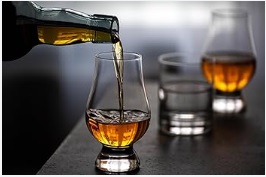
Sometimes, it took longer, or it was setup in a barn to actually age because a customer ask for that specification. Because in that oak barrel, magic was happening. That distilled liquid was mingling with that barrel, the barrel was reacting to the environment. Cold, hot, windy, calm, shady, sun and a particular mold that wasn’t harmful but wanted alcohol. What came out was this beautiful darkening amber color with rich flavors of maple, brown sugar, honey, spices and fruits
The demand went off the charts in New Orleans and out west. The west was where gut rot whisky was the norm. Now they can get something with a taste. Something born here in America, its own spirit. But then the greedy bad folk, tried to get a profit by adding impurities of artificial flavors and colors to fool the consumer and make a quick buck. Lots of folks got harmed or died.
A couple of Kentucky distillers tried to stop that and wound up creating the Bottle in Bond Act. The first law to protect consumers from bad products in 1897. But in doing so it defined what bourbon is, by laying out rules. Thus inspired the Food and Drug Act in 1905. In 1963 The Bourbon Act was passed and signed into law.
it is easier to start the explanation of what is bourbon using the ABCs.
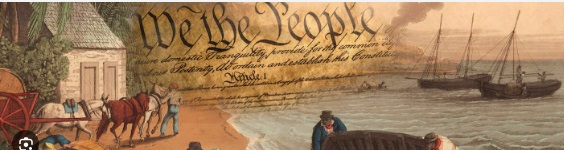
A is American Spirit, bourbon is a uniquely American product. It can only be made here on American soil. While Kentucky does manufacture 90 to 95% of the worlds bourbon, it can be produced anywhere in the United States of America. It has to be mashed, distilled, barreled, aged and bottled in America.
B is for barrel, you can only use American grown virgin white oaks to make the barrels. They may only be used once in the aging of the distillate. Most used barrels are used to make other products like beer, wine, scotch, other whiskeys and tequila.

C is for corn, all bourbon mash must contain at least 51% corn. This is cooked upto a certain temperature then other grains are added, grains like wheat, rye and barley. When bourbon is cooling down, the yeast and set back are added. The set back is from the previous batch and once its added you now have sour mash, if not its a sweet mash.

D is for distilling. The distilling is a process that has proven itself over time. That mash bill or recipe that was made is given time to setup with the yeast turning the sugars from the grain into alcohol a distillers beer through fermentation. It usually can get up from 7% to 14%. Not really meant for drinking. But then it is put in the still, there are all sorts to of stills, but for easy discussion we will assume a cooper pot still.
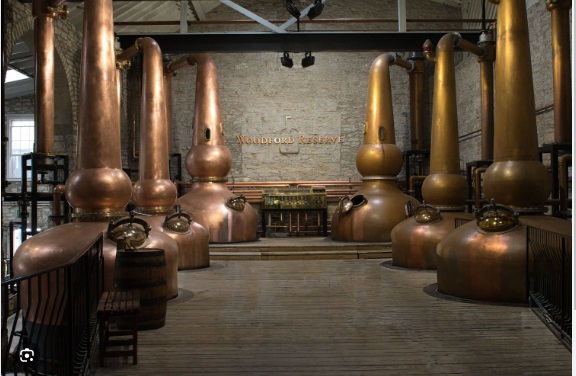
The distillers beer is put into the still and heated, since the alcohol evaporates sooner than water, it raises to the top of still and is cooled down untill ot drips out into a container. This is low wine distillate of raw spirits and is typically around 20 to 25% alcohol or 40 to 50 proof. This is then put into a 2nd still and reheated into high wine distillate. This process helps remove the unwanted elements and oils. More on Head, Hearts and Tails in the future. The high wine distillate that most shoot for is around 125 to 140 proof, about 60 to 70% alcohol. It cannot exceed 80%. This is usually refered to as white dog or white lightning. It usually odorless and tasteless. There are some tricks to get some taste and smells, again for a future talk. Now its almost ready for the barrel.
E is for entry level. This refers to the alcohol level that the white dog gets put into into the barrel. It can be no higher than 125 proof. You typically see entry levels at either 115 or 125. Now it is possible that the proof level can go up while in barrel, usually not down.

F is for filling the bottle. The barrel has now aged a few years and is ready to be bottled. The bourbon is put in the bottle at no less than 80 proof or 40% alcohol. The bottle can be filled filtered or unfiltered. Can be full proof at what came out of the barrel, also called cask strength, the type of batch can also determine this aspect.
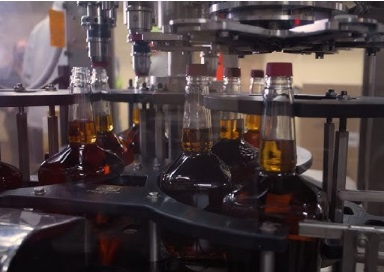
G is for genuine. No artificial colors. No artificial flavors. The bourbon can be batch mixed into large batches, not all that great IMO due to removal of individual barrel flavors and uniquenesses. It can on a small batch, 2 to a hundred, but is typically around 10. Single barrel is just that, a single barrel that goes into bottles without a batch mixing.
I think this leaves only a brief explanation of Bottled in Bond, Straight Bourbon, and flavored bourbon. Straight Bourbon means the the mash, distillation, barrel aging and bottling is done at 1 location. Bottled in Bond means it is a Straight Bourbon but was aged in a Bonded warehouse that is monitored and controlled by government agents. In addition, the bourbon must be aged a minimum of 4 years and be bottled at exactly 100 proof. A bourbon can be aged 2 years, but any aged bourbon less than 3 years must have an aging statement on the bottle. Most enthusiast will agree the better bourbons start at minimum of 4 years.

Flavored bourbon is technically a whiskey because flavoring was been added. When you see a bottle that is labeled Flavored bourbon, they are wanting to point out that it not just flavored whiskey, it is bourbons that is then flavored. Some bourbons are also finished in other types of barrels, to give a more robust flavoring.
I sincerely hopes this starts you on the journey to better bourbon and discoveries.
Looking forward to discussing more about my favorite vegetable drink.
Rich Pesta
 More than sipping corn